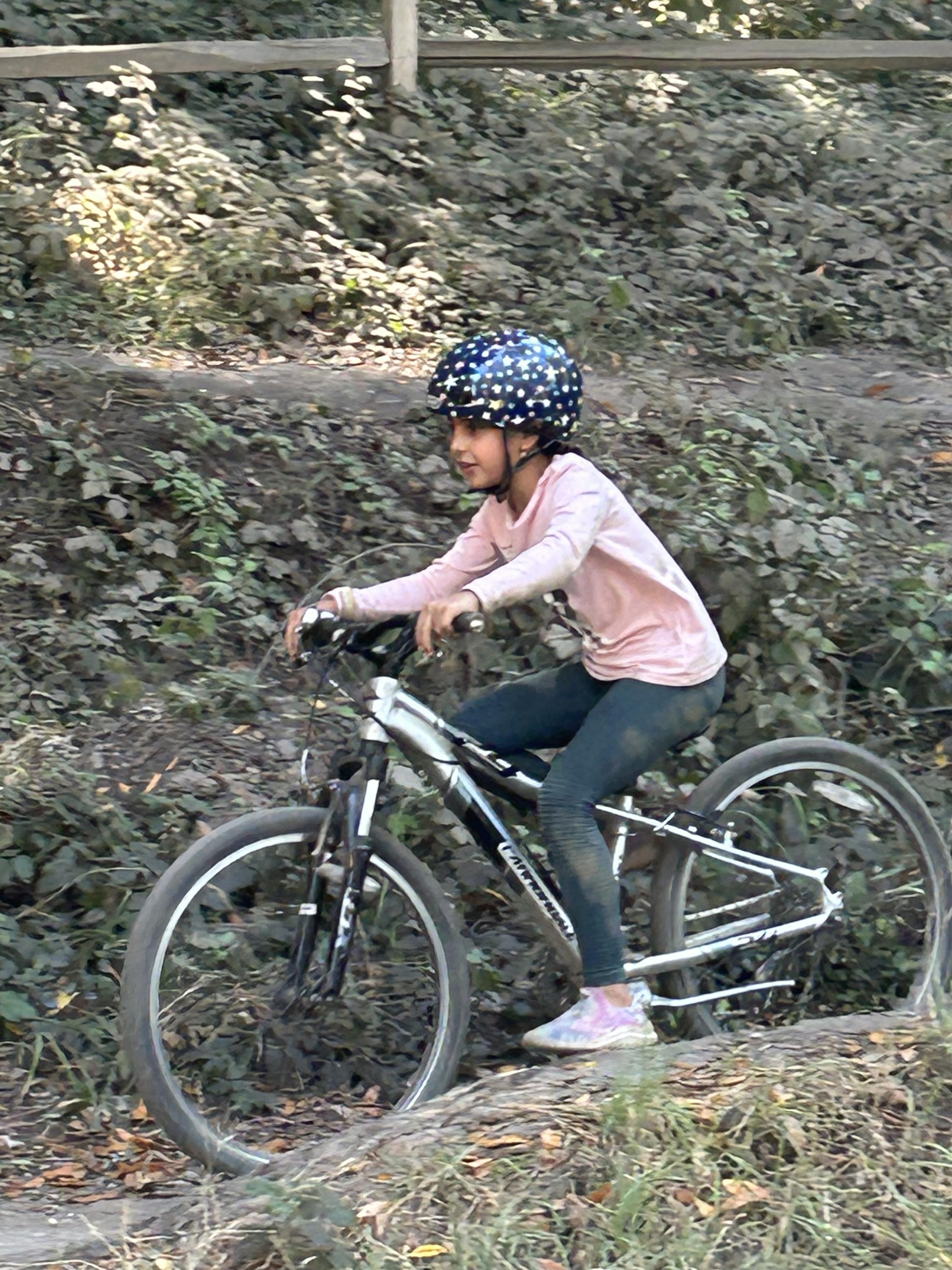
Signing your child up for a youth mountain bike program is more than just picking a fun activity. It’s about choosing a safe, supportive space where your child can build confidence and skills on every trail. Before you enroll, knowing what makes a program truly stand out can help your family get the most from this adventure. Let’s explore what matters most to parents like you—and how Kids Dojo can open doors for your young rider. For more insights, check out this guide.
Understanding Program Safety
When it comes to youth mountain biking, safety is the top priority. Knowing what elements contribute to a safe program will help you make informed decisions for your child.
Essential Safety Gear Checklist
Gear is the first line of defense against injuries. Helmets are crucial, and they should fit perfectly—snug but not tight. Every rider needs gloves for grip and protection as well. Pads for elbows and knees are also a good idea, especially for beginners. You might want to consider additional gear like goggles for dusty trails or shoes with a firm grip for better pedal control. Prepare your child by ensuring they have each piece of equipment before hitting the trails, so they feel both safe and ready to roll.
Trail Etiquette Basics
Understanding trail etiquette is key to a positive experience. Riders should always yield to walkers and horses, and uphill riders often have the right of way. It’s important to teach kids to communicate clearly with others on the trail—whether it’s a simple “on your left” or a friendly hello. These habits not only keep everyone safe but also foster a sense of community among trail users. Discussing etiquette before a ride ensures your child knows how to interact with others respectfully.
Progressive Skill Development
Skill progression is essential for young riders. Programs that offer structured skill-building opportunities help kids grow at their own pace. They learn foundational skills first—like balancing and cornering—before moving on to more complex techniques. Kids Dojo, for example, provides a supportive environment where your child can practice on varied terrain, improving with each session. This approach builds both competence and confidence, setting them up for success on every ride.
Assessing Readiness and Quality

Once safety is ensured, it’s time to assess if your child is ready for the experience and if the program meets high-quality standards.
Age and Skill Assessment
Determining if your child is ready involves more than just age. Consider their physical abilities and interest in biking. Most programs cater to kids aged 7-14, but skill level is equally important. Beginners can start with basic techniques while more experienced riders can tackle advanced challenges. Observing your child’s current biking skills will help you choose a program that aligns with their needs, ensuring they are neither overwhelmed nor bored.
Evaluating Program Credentials
Not all programs are created equal. Look for those with clear safety standards and qualified instructors. Programs like Kids Dojo emphasize hiring coaches who are not only experienced riders but also skilled teachers. Check if the program offers certifications or has a positive reputation. Reading reviews from other parents or talking to program alumni can give insights into the program’s effectiveness and credibility.
Importance of Community Support
Community support can enhance your child’s biking experience. Programs that involve local communities often have access to better resources and events. They also foster a sense of belonging and teamwork among participants. Kids Dojo, for example, offers scholarships and equipment to ensure all children have the opportunity to ride, regardless of economic background. A program with strong community ties can enrich your child’s experience both on and off the bike.
Benefits Beyond the Bike

The advantages of youth mountain biking extend far beyond just learning to ride.
Building Confidence and Resilience
Participating in a mountain biking program can boost your child’s confidence. As they master new skills and overcome challenges, their self-esteem grows. Facing obstacles on the trail teaches resilience. Every fall and restart becomes a lesson in perseverance. This newfound confidence spills over into other areas of life, encouraging a positive outlook and can-do attitude.
Creating Lifelong Friendships
Mountain biking is a social activity. Kids who join these programs often form lasting friendships. Riding in groups promotes teamwork and communication. Sharing the highs and lows of trail adventures creates bonds that can last beyond the program. Encouraging your child to engage with peers in this setting can lead to connections that support their emotional and social development.
Encouraging a Love for the Outdoors
Spending time on the trails fosters an appreciation for nature. Kids learn to value the environment and understand the importance of preserving it. This connection to the outdoors can inspire a lifelong passion for outdoor activities. Introducing your child to mountain biking could open the door to other adventures and interests, grounding them in a love for nature that benefits their mental and physical health.
Frequently Asked Questions
What gear does my child need to start mountain biking?
Your child will need a well-fitted helmet, gloves, and knee and elbow pads. Additional gear like goggles and proper shoes can enhance their safety and performance on the trail.
How can I tell if my child is ready for a mountain bike program?
Assess their interest and current biking skills. Programs cater to various skill levels, so even beginners can find a suitable starting point. Ensure they meet the age requirement, usually 7-14 years.
Why is community support important in a biking program?
Community support provides resources and opportunities for all children, regardless of economic background. It creates a supportive atmosphere where kids can thrive and build lasting friendships.
How do mountain biking programs build confidence in kids?
Kids gain confidence by mastering new skills and overcoming challenges on the trail. This sense of achievement boosts their self-esteem and teaches resilience, which is valuable in everyday life.
What should I look for when evaluating mountain bike programs?
Look for programs with qualified instructors, strong safety records, and positive reviews. Programs that offer scholarships and community support are often more inclusive and enriching for your child.
Leave a Reply