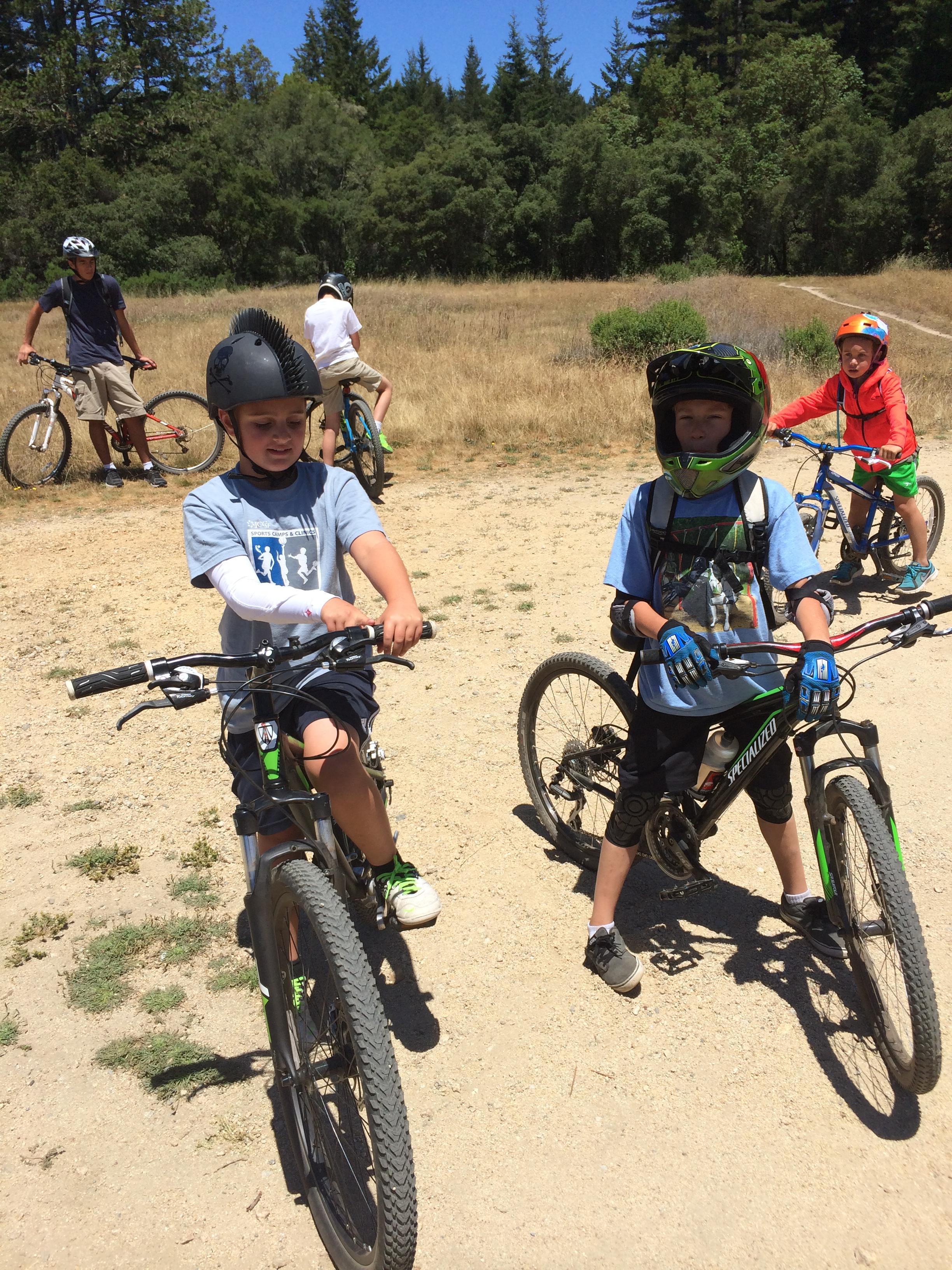
Choosing the right youth mountain bike program can feel overwhelming. You want a place that focuses on safety, builds confidence, and welcomes every child. This guide will show you 10 smart questions to ask before signing up—so your child rides with skill and pride. Ready to find a program that fits your family’s needs? Let’s get started. For more insights, visit this guide.
Key Questions to Ask
Safety Measures in Place
The first thing most parents want to know is how a program ensures their child’s safety. It’s essential to ask about the safety measures they have in place. Look for programs that require their coaches to be CPR certified and background-checked. This guarantees that your child is in competent hands. Additionally, inquire about the type of safety gear provided, such as helmets and pads, and if they have a clear procedure for handling accidents. Understanding these aspects can give you peace of mind, knowing your child is well-protected.
Coach Qualifications and Experience
Knowing who is teaching your child is crucial. Be sure to ask about the qualifications and experience of the coaches. A good program employs seasoned professionals, preferably with a background in cycling and teaching children. Coaches who have competed in biking events or have certifications in youth sports can provide valuable insights and training to young riders. Experienced coaches can adapt lessons to fit different skill levels, ensuring every child feels successful.
Inclusivity and Accessibility
An excellent youth mountain bike program should be accessible to all kids. Ask about their inclusivity policies and whether they offer scholarships or equipment rentals. Programs like Kids Dojo provide bikes and gear to children from various economic backgrounds. This approach ensures that every child can participate, regardless of financial limitations. Inclusivity also means welcoming kids of all abilities, ensuring each child gets a chance to learn and grow.
Program Structure and Offerings

Daily Activities and Skills
Dive into what a typical day looks like in the program. Knowing the daily activities helps in understanding what your child will learn. Programs should offer a mix of skill-building exercises and actual riding time. Look for activities that cover basic mountain biking skills, like navigating different terrains and using a pump track. These exercises help children become more confident and controlled riders.
Group Sizes and Personal Attention
Smaller group sizes often mean more personalized attention for each child. Ask about the average group size and how coaches manage different skill levels. Programs with low student-to-coach ratios can provide tailored feedback, helping each child progress at their own pace. This ensures that no child feels left behind and receives the support they need to thrive.
Availability of Bike Rentals
Not all families have access to mountain bikes, so check if the program offers rentals. This can be a deciding factor for many parents. Having access to rental bikes ensures that every child can participate without the burden of purchasing equipment. Rental options can also provide kids with the opportunity to try different bikes, helping them find what suits them best.
Supporting Your Child’s Growth

Confidence Building for Kids
Mountain biking is more than just a sport; it’s a confidence builder. Programs like Kids Dojo are designed to boost self-esteem through biking adventures. Ask about how the program fosters growth and confidence in kids. Look for testimonials or stories from other parents to see how the program has positively impacted their children. As kids learn new skills and conquer challenges, their confidence naturally grows.
Scholarships for Youth Sports
Affordability should not be a barrier to participation. Inquire about scholarship opportunities that can make the program more accessible. Programs that offer financial assistance show a commitment to inclusivity, ensuring all children have the chance to participate, regardless of financial status. Scholarships can provide the necessary support for families, making outdoor adventures a reality for more kids.
Community Involvement and Partnerships
Finally, ask about the program’s connection to the community. Programs that partner with local schools and organizations can offer more comprehensive support and resources. Community involvement often leads to better experiences for kids, as they can benefit from local expertise and support. This connection can enhance the program’s offerings and provide a richer, more engaging experience for your child.
Frequently Asked Questions
What should I look for in a youth mountain bike program?
Look for programs that prioritize safety, have qualified coaches, and offer inclusive access through scholarships or rentals. Understanding the daily structure and activities is also essential.
How does mountain biking build confidence in children?
Mountain biking challenges kids to develop new skills, navigate different terrains, and overcome obstacles, which naturally boosts their confidence and self-esteem.
Are there scholarships available for youth sports programs?
Yes, many programs, like Kids Dojo, offer scholarships to ensure all children can participate regardless of their financial background.
What qualifications should a mountain biking coach have?
Coaches should be CPR certified, experienced in cycling, and have a background in working with children to provide a safe and supportive learning environment.
Can my child participate if we don’t own a bike?
Many programs offer bike rentals, making it possible for children to join without needing to own a bike. This ensures all kids can participate and enjoy the experience.
Leave a Reply